Mobile Access Trends

In the world of cybersecurity, ethical hacking proactively identifies security vulnerabilities before malicious actors (i.e., unethical hackers) can exploit them. By simulating real-world attacks, organisations can strengthen defences, protect sensitive data, and maintain public trust. In the physical security world, ethical hacking can transform cybersecurity of security systems from a reactive struggle into a strategic safeguard. We asked our Expert Panel Roundtable: What is the role of ethical hacking as it relates to physical security?

Next-generation (Next-Gen) technologies are products, services, or infrastructures that represent a significant leap forward rather than a small, incremental update. In the physical security industry, NextGen products are those that enable disruptive change, breakthrough performance, and a fundamental change that renders previous products obsolete. We asked our Expert Panel Roundtable: What is the next generation of physical security solutions, and how will they change the industry?

Emphasising proactive rather than reactive security shifts the focus from dealing with crises and damage control to prevention. Advantages of a proactive approach include cost efficiency, better business continuity, and fewer crises that draw attention away from strategic improvements. Staying ahead of threats is a core mission of the security department, and technology has evolved to enable security professionals to deliver on that mission better than ever. We asked our Expert Panel Roundtable: How are security systems transitioning from reactive to proactive, and what is the benefit?

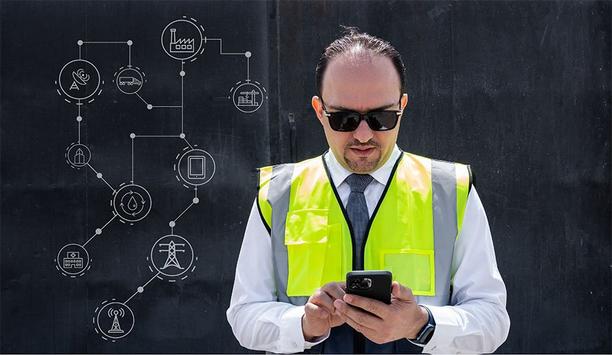
Multiple technology trends are transforming the physical access control market. There is a fundamental shift away from physical cards and keys toward digital identities — mobile credentials, digital wallets, biometrics, and cloud-native access platforms. These next generation access solutions are radically reshaping how buildings operate, protect staff, and perform functionally. At the same time, AI and analytics solutions are being layered onto these physical access control systems to support predictive threat detection and behavioural insights. Access data itself is becoming an asset for sustainability, space optimisation, and smart building initiatives. Risk, impact operations and experience The annual HID Global Security and Identity Trends Report highlights these and other issues The annual HID Global Security and Identity Trends Report highlights these and other issues. The survey cites improving user convenience as a priority for nearly half of organisations, while 41% are focused on simplifying administration, and 28% struggle with system integration. These are not theoretical challenges, they are day‑to‑day friction points that add cost, increase risk, impact operations and experience, and, of course, must be addressed. HID Global’s commercial focus HID Global’s commercial focus is to help organisations digitise their access control — with mobile identities, biometrics, and cloud platforms — and then to use the data to deliver more value. “We are turning access control from an operational cost into a software-driven asset that improves efficiency, supports Environmental, Social, and Governance (ESG) goals and even creates new revenue opportunities,” says Steven Commander, HID Global’s Head of Consultant Relations. The impact of digital transformation Digital transformation is the method of moving access control from hardware and physical credentials Digital transformation is in the process of moving access control from hardware and physical credentials to a software-driven, integrated experience. The transformation strengthens security while also improving user convenience — transforming the “pavement to the desk” journey. HID enables this shift through mobile credentials, biometrics, cloud-native platforms, and solutions that allow third-party applications to run on door hardware. “This helps customers turn access data into operational and commercial outcomes, while also improving the overall user experience,” says Commander. Digital transformation in access control is not focused on chasing the latest trends. Rather, transformation is about turning software, data and integration into outcomes that matter to customers, says HID. “Security becomes stronger and more adaptive,” says Commander. “Operations become simpler and more cost‑effective. Experiences become seamless and consistent. Sustainability moves from ambition to action. And the financial case becomes clearer as efficiencies are banked and new value streams emerge.” The challenge of futureproofing with long lifecycles Given that physical security technologies will be in place for 15 to 20 years, it is important to plan for how systems can evolve over time. Considering how rapidly security threats, compliance standards, and user expectations change, 15 to 20 years is a long time. The decisions made at the beginning of a system’s lifecycle can either limit flexibility later (which will be costly) or enable long-term adaptability. Support for open standards such as Open Supervised Device Protocol (OSDP) is therefore important Choosing products and platforms that are open, interoperable, and designed for updates can enable future-proof projects. Support for open standards such as Open Supervised Device Protocol (OSDP) is therefore important. In addition, systems built on open controller platforms — such as Mercury — enable organisations to switch software providers or expand functionality without replacing core door hardware. Architectural openness is key to system lifecycles and maximising the return on investment (ROI) from a chosen solution. Digital credentials and mobile access Flexibility and upgradeability should also be top of mind when it comes to endpoints like access control readers. While RFID cards are still commonplace, there is a clear trend toward digital credentials and mobile access. Readers that support both allow organisations to transition at their own pace, without committing to a full system overhaul. A long system lifecycle does not mean technology should remain static. Security, particularly cybersecurity, demands more frequent updates. Technologies that support firmware upgrades in the field extend the value of a deployment while helping organisations keep pace with emerging threats. In that sense, lifecycle thinking is not just about longevity — it’s about maintaining resilience and readiness over time. Applying biometrics and mobile identities Biometrics is becoming mainstream as a credential alternative, strengthening security without adding friction Biometrics is becoming mainstream as a credential alternative, strengthening security without adding friction. Many organisations are now deploying biometrics to support fast, seamless access journeys, with adoption already around 39% in access control according to HID’s recent research. In addition, 80% of organisations surveyed expect to deploy mobile identities within the next five years. Full technology integration enables tap‑to‑access without opening an app; the user journey becomes faster, safer, and more convenient. “It is where the industry is headed and we are at the vanguard of this,” says Commander. Ongoing challenge of cybersecurity At HID Global, cybersecurity is embedded into everything, from corporate processes and development practices to the solutions they bring to market. “Our approach ensures that customers can strengthen their overall security posture, not only by deploying secure products but by benefitting from HID’s commitment to the highest industry standards,” says Commander. HID holds multiple globally recognised certifications, including ISO 27001, ISO 14298, SOC Type 2 and CSA STAR, which demonstrate their robust information security and cloud security practices. In addition, HID’s SEOS® secure chipset is independently SEAL-certified, providing one of the most advanced levels of protection available on the market today. “Ultimately, this means organisations are not just purchasing isolated secure products; they are implementing solutions developed and delivered within a comprehensive, cybersecure framework,” says Commander. “When deployed according to best practices, HID solutions enable customers to achieve the highest levels of resilience against evolving physical and cyber threats.” Developing green and sustainable solutions A huge amount of waste is generated from the manufacture of plastic RFID access cards Digital credentials align with the sustainable solutions that everyone wants. A huge amount of waste is generated from the manufacture of plastic RFID access cards. Over 550 million access cards are sold annually. This creates 2,700 tons of plastic waste and 11,400 tons of carbon, based on a PVC card weighing 5 grams. Therefore, digital credentials self-evidently reduce the reliance on plastic cards (helping reduce carbon emissions by up to 75% according to HID’s research), while leveraging access control system data supports energy optimisation by shutting down or reducing systems in unused spaces. Energy use and CO₂ emissions can be cut dramatically, showing how access systems can contribute to sustainability goals and green building certification. What is the latest in smart buildings? Smart buildings increasingly rely on mobile access control as the backbone for digital services. Real-time access data enables new services such as automated room bookings, HVAC control, lift/elevator calling, e-bike hiring, and so on. Smart buildings increasingly rely on mobile access control as the backbone for digital services The financial upside is clear; smart, digitally transformed buildings can deliver around 8% higher yields per square foot versus traditional office space. Operational savings accrue from reduced administration, the removal of card production and shipping, and lighter IT support. This creates a value cycle — better experiences drive adoption, adoption fuels monetisation, and monetisation funds further improvements. Achieving technology impact in the real world One standout project is One Bangkok – a $3.9 billion mixed used development in Thailand – which demonstrates the scale of what can be achieved when access control data is used for optimisation, particularly when it comes to monitoring facilities usage and occupier behaviours. By switching lights off or lowering the temperature in unused rooms, for example, the One Bangkok building demonstrates this potential with a 22% reduction in energy consumption, saving 17,000 MWh and 9,000 tons of CO₂ annually. Sustainability is a key factor in contributing to how properties are valued. And sustainability extends far beyond digital credentials having a lower environmental impact than plastic cards. Buildings with recognised sustainability certifications often command rental premiums of around 6%, and three‑quarters of security decision‑makers now consider environmental impact in their procurement assessments.
Latest Access control news

The FIDO Alliance and HID, a global enabler of trusted identity solutions, release The State of Physical and Digital Identity in the Enterprise, a new research report examining how organisations manage physical and logical access across their workforces. Surveying 500 IT and cybersecurity decision makers across the US, Canada, UK, France and Germany, the new study uncovered a significant disconnect between enterprise confidence in identity security and operational reality. While most organisations believe they can revoke all physical and digital access within 24 hours when an employee leaves, more than one-third report experiencing actual failures doing so, contributing to identity-related security incidents across the enterprise. Physical and digital identity Key findings from the report include: While confidence is high, so are security incidents 94% of organisations claim confidence that all physical and logical access can be revoked within 24 hours of an employee leaving. Yet 35% experienced delays or failures doing exactly that in the past two years — and 70% experienced at least one identity-related security incident overall. Governance is fragmented Only 50% of enterprises have unified reporting ownership for physical and digital identity, and just 48% have consolidated budget control. Finance is the most governance-fragmented sector, with 34% operating fully separate reporting structures despite operating under stringent regulatory access-control obligations. Complexity is growing, and enterprises manage three separate systems on average 59% of enterprises manage three or more distinct credential and authentication systems. 58% say managing digital identity has become more complex over the past two years. The Public Sector carries the highest incident rate of any industry The sector has the highest identity security incident rate of any industry, with 43% experiencing access revocation failures. It has a 20% manual credential revocation rate, which is more than double the IT/Technology sector. The passkey adoption must scale to protect businesses 93% of organisations are at some stage of passkey adoption and 65% report high or expert technical familiarity. However, only 13% have deployed passkeys at scale, explaining why organisations experience such high levels of security incidents. Phishing-resistant authentication is a top business priority The pioneer driver for moving to passwordless authentication is reducing phishing and credential-based breach risk (45%), followed by reducing IT costs from password resets and help desk load (44%). Phishing-resistant authentication "The story in this data isn't about awareness, it's about execution. Ninety-three percent of organisations are on the passkey journey, but only 13% have deployed at scale, and the security incident rates reflect that gap directly,” said Andrew Shikiar, executive director and CEO of the FIDO Alliance. “Phishing-resistant authentication only delivers its full protective value when deployment is comprehensive rather than selective – because threat actors don't limit themselves to the parts of the organisation that are already protected." “Identity security is no longer just an authentication challenge; it is an enterprise governance challenge. As organisations adopt passkeys, a unified approach to managing physical and digital identity becomes critical. This research shows that fragmented governance, disconnected systems and limited visibility create real business risk. HID is closing that gap by bringing credentials, access rights and lifecycle management together to enable faster, more confident access decisions,” said Sean Dyon, Vice President of the Authentication Business Unit at HID. The full report is being launched at Identiverse 2026. Visit FIDO Alliance at booth 252 and HID at booth 800 from June 15-17.

OPTEX, the global sensor manufacturer, has launched the TXI Series, a new range of high-mount outdoor curtain detectors designed for residential and commercial perimeter protection. Built to create an invisible curtain barrier along a building façade, the TXI Series is designed to address the challenge of balancing reliable human detection and nuisance alarm reduction in external security. By creating a controlled detection curtain at the perimeter, the TXI Series is specifically designed to support earlier detection before an intruder reaches the building itself. Common applications include ground-floor perimeter protection, balconies, warehouses, office buildings and retail sites where a narrow detection field can help define and secure the boundary of a property. Reducing detection reliability In high-mount applications, detectors typically look downward to detect activity at ground level, which can make them more susceptible to nuisance alarms caused by pets, small wildlife and environmental movement. In many installations, reducing sensitivity can minimise false alarms but may also reduce detection reliability. At the heart of the TXI is OPTEX’s patent-pending Triple AND Logic, which uses three independent sensing areas to create three detection zones, with an alarm only triggered when all three zones detect simultaneously. Working in combination with OPTEX’s Super Multidimensional Analysis (SMDA) digital processing, which analyses multiple characteristics of detected movement to help filter environmental noise and support more stable performance as conditions change, these technologies help maintain reliable human detection while reducing nuisance alarms. High-mount outdoor detection “Ensuring accurate outdoor detection at height has traditionally been a real challenge, often requiring installers to manage nuisance alarms through compromise,” says Masaya Kida, Managing Director of OPTEX EMEA. “The TXI Series has been designed specifically to address this challenge. By combining our patent-pending Triple AND Logic and SMDA digital signal processing, it delivers true pet tolerance while maintaining reliable and accurate human detection. It represents an important development in addressing a longstanding pain point for installers in high-mount outdoor detection.” High-mount installations For installers, the TXI Series has been designed to support flexible set-up across different sites. The detectors offer a selectable mounting height from 2.2m to 4m and a 12m x 2.4m curtain coverage area. An optional look-down zone addresses a common vulnerability in high-mount installations and can be enabled or disabled depending on requirements. Installation is supported by included brackets to enable secure fitting and clean, concealed wiring, with an optional TXI-BKT ceiling/wall mount bracket available for angle and gradient adjustment. TXI includes multiple security and anti-sabotage features, including a front tamper switch for cover removal detection and a built-in accelerometer designed to detect changes in angle or positioning. Providing additional protection Dual-technology models also include anti-masking functionality to provide additional protection against deliberate interference. Rated IP55 for weather resistance, and able to operate in temperatures ranging from -30°C to +60°C, the TXI Series is designed to perform reliably across a broad range of outdoor environments. The TXI Series comprises four models to support a range of installation requirements: the TXI-ST (PIR) and TXI-DAM (dual technology with anti-masking) in wired variants, plus the TXI-R (PIR) and TXI-RDAM (dual technology with anti-masking) as battery-operated models. Battery models are compatible with third-party wireless transmitters to integrate with a preferred alarm system.

Global technology solutions provider Arrow Electronics announces it has earned the Frontier Distributor designation within the Microsoft AI Cloud Partner Program. The Frontier Distributor designation recognizes distributors that consistently enable channel partner success through scale, readiness and execution. It reflects strong operational maturity, channel partner enablement capabilities and measurable customer impact. Digital distribution platform This achievement reflects Arrow’s role in supporting channel partners and customers with the infrastructure, programs and services required to deliver outcomes using Microsoft technologies. Arrow supports channel partners through ArrowSphere, its digital distribution platform, alongside regional technical, commercial and enablement teams across EMEA and North America. In November 2025, Microsoft named Arrow its 2025 Distribution Partner of the Year, recognizing ArrowSphere AI offerings, including ArrowSphere Assistant. The Frontier Distributor designation further strengthens Arrow’s ability to help channel partners build, deploy and scale Microsoft cloud and AI solutions across multiple markets and industries. Accelerating cloud solutions Sophie Daval, director, hyperscalers, global ArrowSphere at Arrow’s enterprise computing solutions business, said, “Microsoft’s Frontier Distributor designation reflects the investments we continue to make in cloud, AI and technical enablement across our channel ecosystem. Following our recognition as Microsoft’s 2025 Distribution Partner of the Year, this designation further reinforces our ability to help channel partners simplify cloud adoption, support AI deployments and build scalable services around Microsoft technologies.” “The Frontier Distributor designation recognizes leading Cloud Solution Provider distributors, such as Arrow, who help partners accelerate cloud solutions more effectively,” said Alex Zagury, CVP, global channel sales, Microsoft. “This recognition reflects their ability to drive differentiation at scale and deliver meaningful value to small and medium-sized businesses.”

When school leaders think about school security, they often picture cameras, access control, badging, and guest management. Students think about something else entirely. They think about whether school feels welcoming when they walk through the front doors. Whether they know where to go when they need help. Whether the adults around them seem approachable. Whether they feel like they’re being protected - or watched. For students, safety isn’t just about physical security. It’s about confidence. Stronger mental health outcomes It’s the confidence to walk through the front door without feeling anxious. It’s knowing where to go when something feels wrong. It’s feeling supported by the adults around you. It’s being able to focus on a math test, a soccer game, or a school play instead of worrying about what might happen. That’s why the most effective school security strategies don’t just protect buildings. They support the students, teachers, and staff inside them. Research shows that students who feel connected to their schools experience stronger mental health outcomes and a greater sense of belonging. According to the Journal of Applied Juvenile Justice Services1, “Perceptions of safety within the school environment enhance the protective effects of school connectedness on mental health outcomes.” Building positive relationships In other words, feeling safe and feeling welcome aren’t separate goals. They reinforce one another. When students feel secure, they’re better able to learn, participate, and thrive. They are more likely to engage with their school community, build positive relationships, and focus on what matters most: their education. Creating that environment requires more than policies and procedures. It requires security strategies that support the overall school experience. The schools that get security right understand that protection and approachability aren’t competing priorities. They’re complementary ones. Technology plays an important role in making that possible. Providing greater visibility The right technology can help schools create environments that feel both secure and welcoming. When security systems are easy to use, investigations move faster, and critical information is easier to access, staff spend less time managing technology and more time supporting students. That’s why schools use Rhombus to build safer, more student-friendly environments. By simplifying security operations and providing greater visibility across campus, Rhombus helps schools focus less on managing systems and more on supporting the people those systems are designed to protect. Because the goal isn’t simply to secure a school. It’s to create a place where students can be students. A place where parents feel confident, staff feel prepared, and students feel safe enough to focus on learning, growing, and building the future in front of them.
Access control applications

3DX-RAY is pleased to announce that its advanced AXIS CXi mailroom screening system has been selected to protect a government facility in Lithuania from the ever-present threat of postal bombs, hazardous substances, and other prohibited items. The AXIS CXi represents a significant advancement in mailroom screening technology. Its colour imaging capability enables operators not only to identify the shape of objects but also to assess the composition of materials. Organic materials—including explosives, narcotics, chemicals, and even benign items such as food—are highlighted in orange. Metals such as firearms, knives, and potential IED components appear in blue, while inorganic materials commonly associated with improvised explosives are shown in green. A greyscale mode supports precise shape recognition. Maintaining operational efficiency This multi-layered visualisation allows operators, even with minimal training, to conduct more accurate, efficient, and confident assessments, helping organisations strengthen security while maintaining operational efficiency. AXIS CXi is the only cabinet mail screening system to deliver full compliance with the UK’s stringent NPSA PAS 97:2021 mail screening standards, meeting specification tests 1–8 and uniquely achieving compliance with Test 5 for material discrimination. Beyond imaging performance Beyond imaging performance, the AXIS CXi introduces a notable innovation in system design. It combines an exceptionally large inspection chamber with a compact footprint, enabling the screening of not only mail and parcels but also larger items such as bags and aircraft cabin luggage. The system is fully mobile and features a modern, unobtrusive design, making it suitable for deployment across a wide variety of environments, including government offices, corporate headquarters, hotel lobbies, financial institutions, and retail locations. Critical infrastructure environments Vince Deery, CEO of 3DX-RAY, commented: "AXIS CXi was originally developed to bring the advanced colour differentiation technology used in airport baggage screening into the mailroom environment. Since its launch, the system has quickly demonstrated its versatility across a broad range of security applications.” “We are delighted to have secured this latest order from Lithuania, further expanding the growing international deployment of AXIS CXi systems. Government organisations face an increasingly complex range of threats delivered through the postal and parcel network, and AXIS CXi provides security teams with the tools they need to detect suspicious items quickly, accurately, and with confidence. This contract reinforces the system’s reputation as a highly effective and adaptable screening solution for organisations where security is paramount." The award further strengthens 3DX-RAY’s presence in the European security market and highlights the increasing demand for advanced, user-friendly screening solutions capable of addressing evolving security threats in government and critical infrastructure environments.

Paderborn/Lippstadt Airport plays a central infrastructural role in the East Westphalia-Lippe region of Germany. In order to meet the growing requirements of the German Aviation Security Act (LuftSiG), the airport comprehensively modernised its existing video surveillance system. The objective was to ensure efficient monitoring of critical areas such as the apron, access roads, car parks, and terminal entrances – with minimal resource use. Together with systems integrator Horn Sicherheitstechnik, Dallmeier developed a solution that allows gradual migration to IP-based components such as the multifocal sensor system Panomera®, without the need to immediately replace existing analogue technology. The solution complies with all applicable security and data protection requirements and is designed for future scalability. Secure airport operations Roughly six million people live within the catchment area of Paderborn/Lippstadt Airport. As a regional transportation hub, the airport provides vital connectivity to both tourist and business destinations. Scheduled and charter flights as well as business, private, and cargo traffic are all part of daily operations. This makes the airport not only an important infrastructure facility but also a regional employer and mobility partner. Smooth operations and full compliance with legal obligations – such as the Aviation Security Act (§5 and §8), the General Data Protection Regulation (GDPR), and the NIS-2 Directive – form the foundation for secure airport operations. Increasing regulatory requirements The decision to upgrade and extend the video security infrastructure was driven by increasing regulatory requirements and technological advancement. The focus was on reliable video coverage of the approximately 65,000 square metre apron area, as well as other critical zones such as access roads, car parks, terminal entrances and the so-called aviation security boundaries – the transition point for passengers from landside to airside. Analog systems were not replaced in one step; instead, a step-by-step migration to IP technology was planned and implemented – in a manner that was flexible and adapted to the airport’s existing infrastructure and operational needs. Modern IP cameras The implementation was carried out by experienced systems integrator Horn Sicherheitstechnik in collaboration with Dallmeier electronic. At the heart of the project is a hybrid system architecture that combines existing analog components with modern IP cameras. Video recording is handled by Dallmeier recording appliances such as the DMS 2400 and IPS 10000, which enable simultaneous operation of both analogue and IP technologies. To monitor sensitive zones, various camera models are used – including Domera®, fisheye, and bullet cameras, as well as Panomera® systems from the W4 and S8 series. Panomera® enables wide-area coverage with a minimum number of cameras while still delivering high-resolution detail – a major advantage for large apron areas where both overview and detailed monitoring are essential. Video management is handled via SeMSy® Compact in combination with the SeMSy® Event Manager. Additionally, door and alarm contacts were integrated using Moxa devices to enable functional synergies and alarm forwarding – particularly at the aviation security boundaries. Aviation security boundaries With the new system, the airport fully meets the requirements of §5 and §8 of the German Aviation Security Act – for example, in monitoring aviation security boundaries, access roads and other sensitive operational areas. The hybrid system architecture allows targeted expansion of the existing infrastructure. One key benefit: Thanks to Panomera®, the number of cameras required was significantly reduced – without sacrificing field of view or image quality. This results in savings not only in installation and operational costs but also in ongoing maintenance. The modular system design supports step-by-step migration and offers long-term flexibility. “With the Dallmeier solution, we were able to seamlessly modernise our existing infrastructure while efficiently meeting new security requirements. We were particularly impressed by the flexibility to integrate both analog and IP systems,” explains Paul Sawatzki, Head of IT & Technology at Paderborn/Lippstadt Airport. AI-driven technologies The Dallmeier solution meets all requirements set forth by the GDPR and the NIS-2 Directive – especially in terms of data protection, IT security, and system availability. As an ISO-certified company – including certification to ISO/IEC 27001 for information security management systems – Dallmeier delivers the highest standards in the handling of sensitive data. These certifications provide a reliable foundation for deploying the technology in critical infrastructure environments. Additionally, Dallmeier’s in-house development and production in Germany (“Made in Germany”) ensures transparency and legal certainty for operators. Another key advantage of the new system is its future-proof design. Beyond surveillance alone, AI-based analytics for process optimisation and cost savings are increasingly in focus. The airport plans to deploy AI-driven technologies such as the Dallmeier “Attribute Finder”, which can be seamlessly integrated into the existing infrastructure. High integration capability The project at Paderborn/Lippstadt Airport demonstrates how intelligent planning and cutting-edge technology can bridge the gap between legacy infrastructure, system modernisation, and long-term readiness. The “Made in Germany” solution delivers durability, efficiency, and high integration capability – representing a successful deployment of modern video technology in a critical infrastructure environment. Horn Sicherheitstechnik also draws a positive conclusion: “Thanks to close coordination with all project stakeholders and the use of Dallmeier’s PlanD camera planning tool, we always had full control over the project. The tool gave us complete planning reliability right from the design phase,” says Michael Horn, Managing Director of Horn Sicherheitstechnik. Video information technology In 1984, Dieter Dallmeier founded what is now Dallmeier electronic – not in the proverbial garage, but in a garden shed in Regensburg, Germany. Today, the company, which can justifiably call itself a hidden champion for video information technology "Made in Germany", has several hundred employees worldwide, more than 250 of them at the company headquarters in the center of Regensburg alone. Dallmeier's camera, recording, software, and analysis solutions optimise security and processes for B2B end customers in a wide range of industries in over 60 countries. The focus is on users from the casino, smart city, airports, logistics, stadiums, and industrial sectors. But also, banks, critical infrastructure facilities as well as medium-sized companies from all sectors. Image storage system With pioneering innovations, Dallmeier has succeeded time and again in placing itself at the forefront of technology: From the world's first digital image storage system with motion analysis in 1992, the patented "multifocal sensor technology" Panomera® with its "Mountera®" mounting system, to the latest Domera® camera family, which allows up to 300 camera variants with only 18 components. These and many other innovations provide real, tangible customer benefits. And with a low Total Cost of Ownership (TCO) and a high Return on Investment (ROI) they can easily compete with systems produced and supplied from low-wage countries. With "Made in Germany", they also guarantee their customers the highest standards in data protection, cybersecurity, and ethical responsibility. With high quality and short supply chains, they also ensure – almost incidentally – sustainability and environmental protection. From their prestigious headquarters in the center of Regensburg, Dallmeier not only carries out its own research and development but also the complete manufacturing process – from component to product to solution.

ZeroEyes, creators of the multi-analytics weapons detection and threat intelligence platform, announces that its proactive AI gun detection and intelligent situational awareness software has been deployed by Perry-Lecompton USD 343 in Kansas to help protect students, staff, and visitors from gun-related threats. Located in Northeastern Kansas, Perry-Lecompton USD 343 serves approximately 730 students and employs 160 staff members district-wide. The district will deploy ZeroEyes at Perry-Lecompton Middle School and Perry-Lecompton High School as part of its continued commitment to maintaining a safe, welcoming learning environment. Broader community initiatives The district secured funding through the Kansas Safe and Secure Firearm Detection Grant Program, administered by the Office of the Kansas Attorney General, to purchase and implement ZeroEyes. The grant followed coordination with local law enforcement and community leaders to identify AI gun detection as a key safety priority aligned with broader community initiatives. “The safety of our students and staff is our highest priority,” said Justin Dunnaway, Assistant Superintendent of Perry-Lecompton USD 343. “We are proud to have secured funding through the Kansas firearm detection grant program to bring ZeroEyes to our middle and high school campuses. This technology adds another proactive layer of protection and aligns with the collaborative safety efforts we’ve been building alongside local law enforcement and community leaders.” Situational awareness software layers ZeroEyes’ AI gun detection and intelligent situational awareness software layers onto existing digital security cameras. If a gun is identified, images are instantly shared with the ZeroEyes Operations Center (ZOC), the industry’s only U.S.-based, fully in-house operations center staffed 24/7/365 by specially trained U.S. military and law enforcement veterans. If the threat is determined to be valid, alerts and actionable intelligence — including visual description, gun type, and last known location — are dispatched to law enforcement and school officials, often in a matter of seconds from the moment a gun is detected. “Perry-Lecompton USD 343 has taken a thoughtful and proactive approach to campus safety,” said Mike Lahiff, CEO and co-founder of ZeroEyes. “By leveraging state grant funding and building upon existing security investments, the district is demonstrating its strong commitment to protecting students and staff while preserving the close-knit culture that defines its community.”
ZeroEyes, creators of the multi-analytics weapons detection and threat intelligence platform, announces that its proactive AI gun detection and intelligent situational awareness software has been renewed by Sumter County Schools following two successful years of deployment. Serving nine schools across rural Sumter County, the district supports approximately 6,000 students and 700 faculty and staff. ZeroEyes has been integrated across these schools as part of the district’s commitment to maintaining a safe, secure, and welcoming learning environment. Welcoming learning environment “I personally have been very impressed with ZeroEyes since day one,” said Philip Martin, Safety and Security Specialist for Sumter County Schools. “The level of detail that ZeroEyes provides, as well as the responsiveness of their customer service, is outstanding. Communication is always quick, which is critical from a customer standpoint. It’s reassuring to know that this technology is helping keep our students and staff safe.” Sumter County Schools maintains a strong, collaborative relationship with local law enforcement. The district works closely with the Sumter County Sheriff’s Office, ensuring that security protocols are consistent, proactive, and responsive. This renewal reinforces the district’s dedication to combining modern technology with community-centred safety measures. Intelligent situational awareness ZeroEyes’ AI gun detection and intelligent situational awareness software layers onto existing digital security cameras. If a gun is identified, images are instantly shared with the ZeroEyes Operations Center (ZOC), the industry’s only U.S.-based, fully in-house operations center staffed 24/7/365 by specially trained U.S. military and law enforcement veterans. If the threat is determined to be valid, alerts and actionable intelligence — including visual description, gun type, and last known location — are dispatched to law enforcement and school officials, often in a matter of seconds from the moment a gun is detected. “Sumter County Schools has demonstrated a thoughtful and proactive approach to campus safety,” said Mike Lahiff, CEO and co-founder of ZeroEyes. “By leveraging real-time intelligence, the district continues to protect its students and faculty while preserving the close-knit community culture that makes Sumter County special.”



Global Security Exchange (GSX) 2026 news

ASIS International, the world’s largest association for security management professionals, has announced its programming lineup for Global Security Exchange (GSX) 2026 with in-person and digital...
Building on the success of Global Security Exchange (GSX) 2025, which welcomed participants from 95 countries, GSX 2026 is set to deliver another exceptional lineup of thought leadership and innovatio...

ASIS International, the world's largest association for security management professionals, is pleased to announce the opening of its Call for Proposals for the Global Security Exchange (GSX) ...
